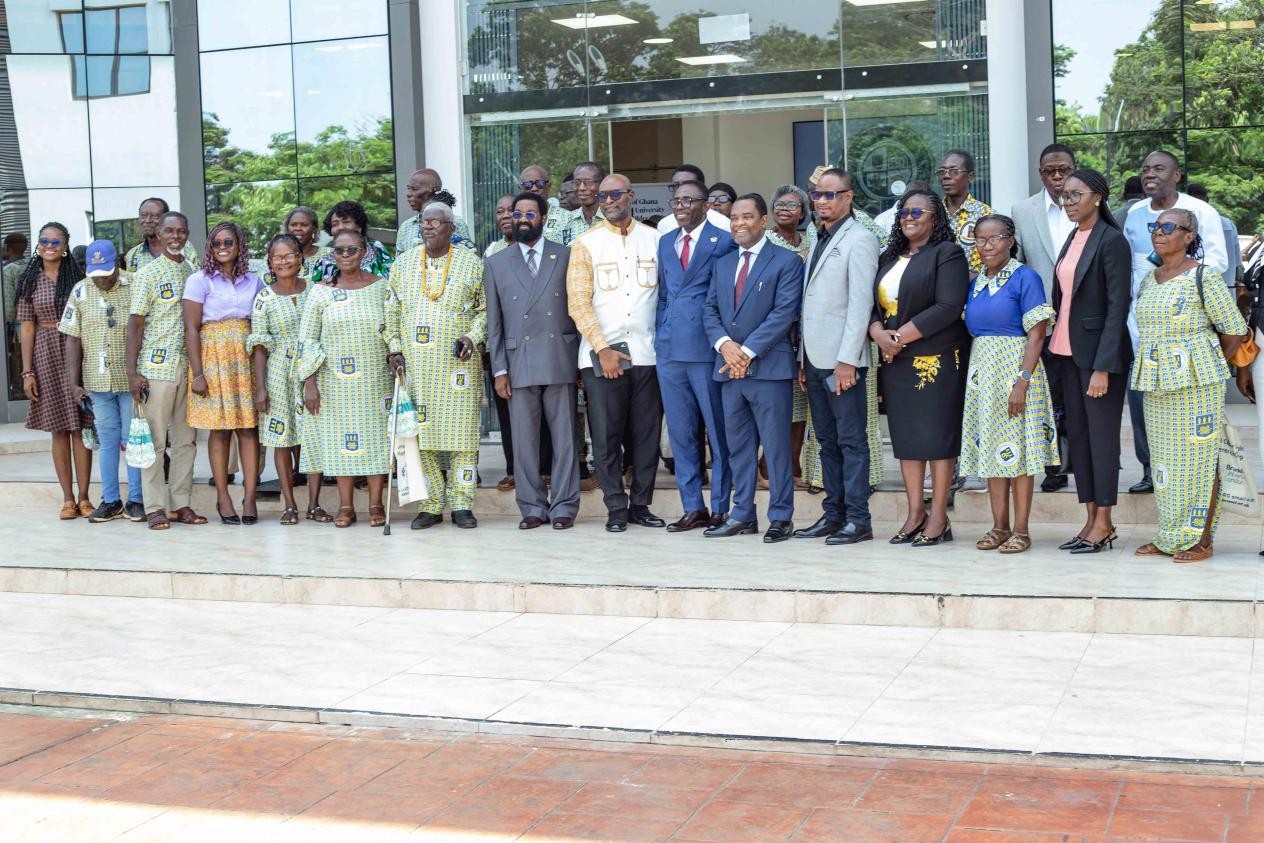
The three-day workshop brought older adults, researchers and healthcare professionals together to discuss how older people could help shape research priorities and improve understanding of health and wellbeing in later life.
ACCRA, Ghana | 24–26 February 2025
Brunel University London and the University of Ghana held a three-day workshop in Accra from 24 to 26 February 2025 to explore how older adults could play a more active role in health research, service development and decisions affecting their lives.
The workshop was held under the International Science Partnerships Fund (ISPF)-funded project, Establishing a Multi-National Older Adults Reference Network: Toward a PPIE Model for Mitigating and Managing Common Health Conditions in Ageing and Disease. It brought together older adults, academics, healthcare professionals and other stakeholders to discuss the development of a Ghanaian older adults reference group, informed by the experience of Brunel’s established Older Adults Reference Group (BORG).
The discussions focused on a practical challenge: how could older people contribute not only by participating in research studies, but also by helping researchers decide what to investigate, how studies should be conducted and how findings should be communicated to the communities concerned?
Dr Paapa Kwesi Ampiah of Brunel University London led the project, working with Professor Jonathan Quartey of the University of Ghana as the lead university partner. The wider Brunel team included Professor Christina Victor, Dr Dominic Orth, Dr Elmar Kal, Professor Neil O’Connell and Mr Tim Groves, with Professor Elsie Kaufmann and Dr Peter Ndaa representing the University of Ghana partnership.
Learning from Brunel’s experience
The workshop drew on the experience of BORG, a long-standing community group at Brunel University London whose members contribute to research, teaching and funding applications. The group provided a practical example of how older adults could remain involved in university activities beyond individual research projects.
Presentations explored why BORG had been established, how it operated and how public and patient involvement and engagement (PPIE) had informed research and engagement activities at Brunel. PPIE involves members of the public contributing to decisions about research that affects them, drawing on their experience and knowledge to help make research more relevant and accessible.
The discussions in Accra focused on how these principles could be adapted to Ghana rather than simply transferring a UK model into a different setting. Participants considered the importance of local leadership, cultural expectations, accessible communication, sustainable funding and clear arrangements for involving older adults over time.
Older adults identified their priorities
An important part of the workshop involved hearing directly from older adults about their experiences, concerns and expectations of the proposed group.
Participants highlighted the need for better access to information about age-related health conditions, preventive health measures and available services. They also discussed the importance of maintaining social connections and a sense of purpose after retirement, as well as ensuring that older people were respected and included in decisions affecting their lives.
Healthcare provision was another area of concern. Discussions highlighted the need for services that were responsive to older adults’ needs and for further training to strengthen healthcare professionals’ understanding of ageing and the conditions commonly experienced in later life.
One participant captured the significance of the discussions by saying: “We feel part of something greater now. This group is not just about research. It’s about our future, our dignity, and the future of our grandchildren.”
Participants also discussed how members of a reference group could act as links between researchers and their communities, helping to share health information, gather feedback and encourage wider engagement with research.
Developing research priorities together
The workshop included a research development session in which older adults, academics and healthcare professionals discussed potential areas for collaboration between the two universities.
Sarcopenia, an age-related condition involving loss of muscle strength and muscle mass, emerged as one area of shared interest. Participants considered questions around its presentation among older Ghanaians, the role of exercise and nutrition, and barriers to physical activity in the community.
Other priorities included dementia, experiences of caregiving, stigma and access to diagnosis; the use of traditional and herbal medicines alongside biomedical care; mental health and the effects of retirement and social isolation; and the management of chronic conditions such as hypertension, diabetes and persistent pain.
These discussions helped identify research questions that reflected concerns raised by participants and could be developed into future collaborative projects. They also demonstrated the value of involving older adults at the stage when research priorities were being identified, rather than seeking their views only after a study had been designed.
Planning for a sustainable reference group
The workshop also examined the practical arrangements needed to establish and maintain an older adults reference group at the University of Ghana.
Participants emphasised the importance of including people from different communities and backgrounds, with representation across gender, ethnic and linguistic groups. They discussed leadership, membership, regular meetings, communication and the need to provide feedback to members about how their contributions had informed research decisions.
Financial and logistical considerations were also raised. Transport costs, access to suitable meeting venues and the resources required to coordinate activities were identified as factors that could affect participation and continuity. Participants discussed the potential contribution of universities, healthcare facilities, non-governmental organisations and community groups to the long-term sustainability of the initiative.
By the end of the workshop, the current workshop membership had been agreed as the basis of an interim working group to take forward governance discussions. A WhatsApp group was established to support communication and coordination following the event. The agreed next steps included developing the core membership, planning community engagement activities and preparing a working document outlining research priorities and the proposed operating model.
A foundation for continued collaboration
The February 2025 workshop marked an important stage in the Brunel–University of Ghana partnership. It created an opportunity for older adults to share their experiences directly with researchers and helped establish the priorities and practical arrangements needed to develop a reference group in Ghana.
The work subsequently progressed to the formal launch of the University of Ghana Older Adults Reference Group (UGORG) in November 2025. UGORG brought older adults, academics and health professionals together within a structured platform for involvement in ageing research and related engagement activities.
The collaboration continued beyond the initial workshop, providing a foundation for joint research, knowledge exchange and capacity-building activities. The development of UGORG also reflected the central principle discussed in Accra: older adults could contribute valuable knowledge to research through their lived experiences and should have a meaningful role in shaping the work that concerns them.
By bringing these perspectives into discussions about research priorities, the workshop helped establish the basis for a partnership in which older adults’ experiences could inform the development of research relevant to the health, independence and wellbeing of later life in Ghana.